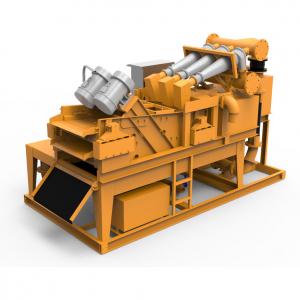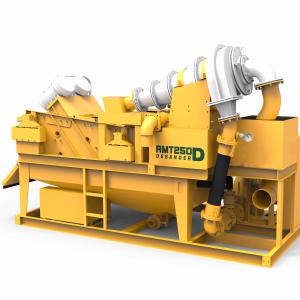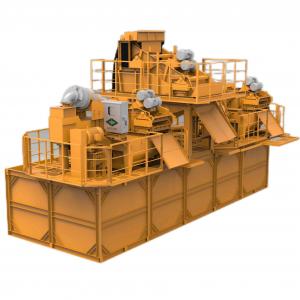

Slurry Treatment Equipment for Piling & Foundation
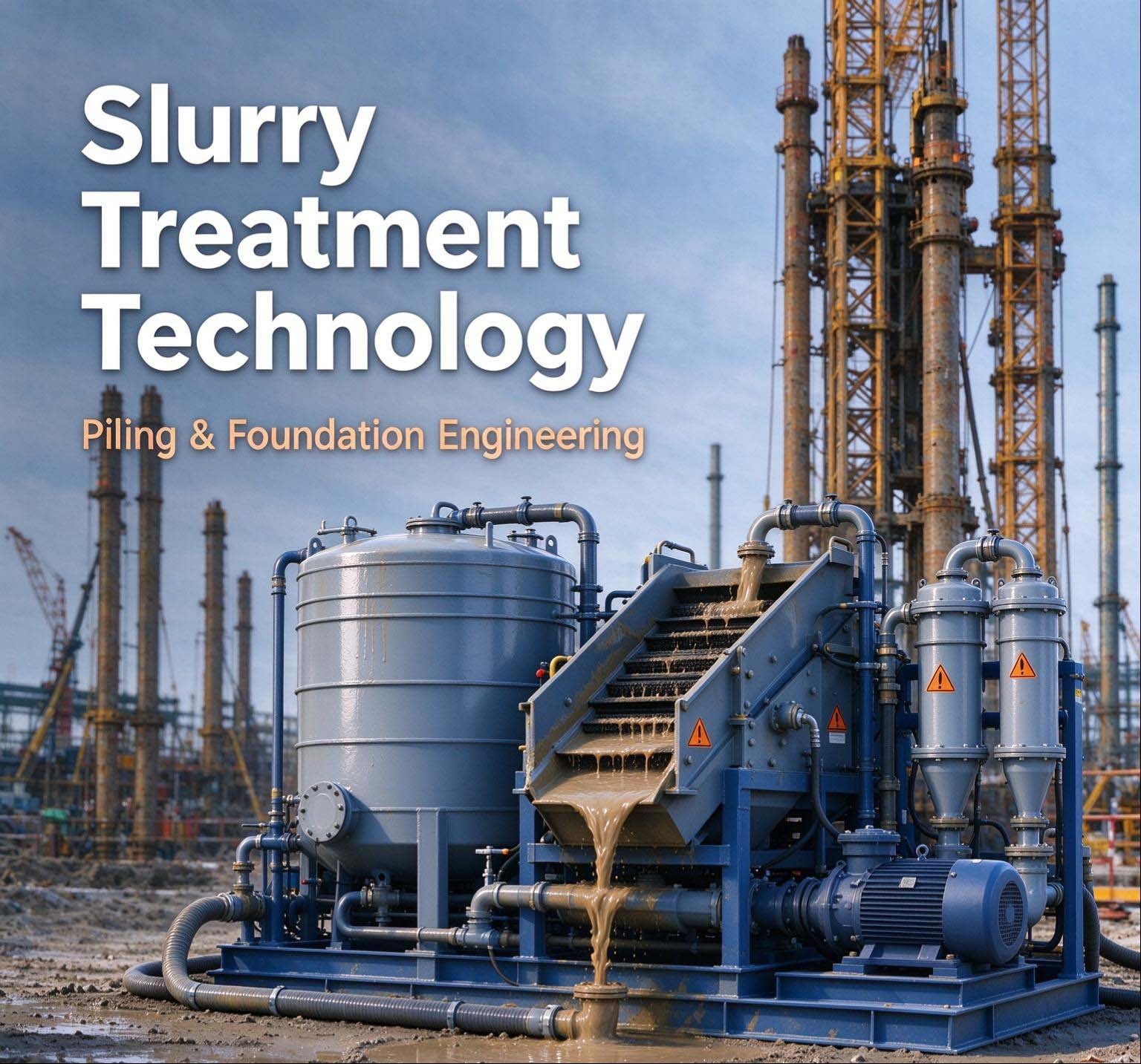
Slurry Treatment Technology for Piling and Foundation Engineering
Introduction
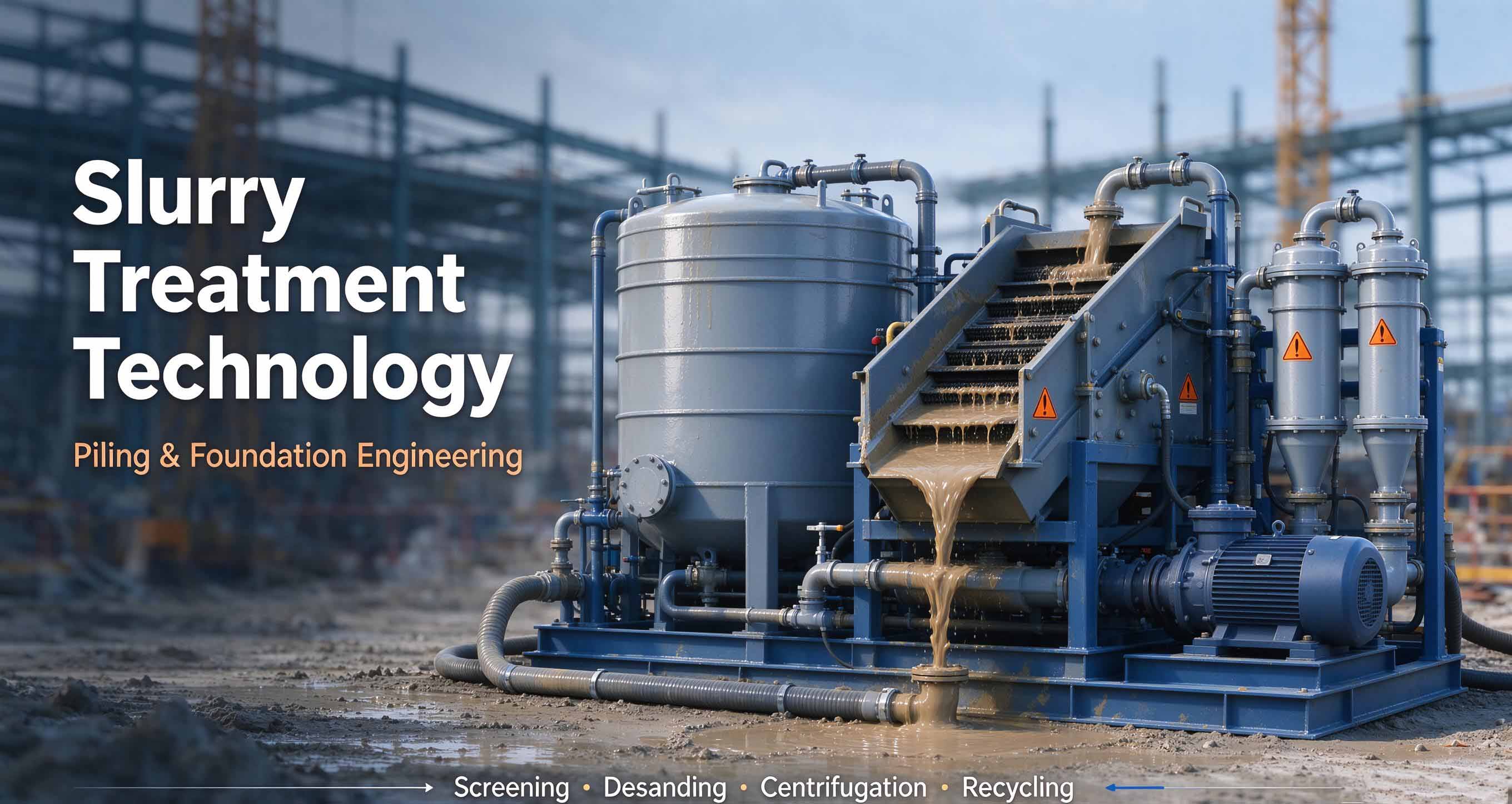
Slurry treatment technology is an essential part of modern piling and foundation engineering. During rotary drilling, diaphragm wall construction, bored pile construction, and other foundation projects, large quantities of drilling slurry containing soil particles, sand, silt, and other suspended solids are generated.
An effective slurry treatment system can separate solid particles from drilling slurry, improve slurry quality, reduce slurry consumption, and allow treated slurry to be recycled for continued construction. Proper drilling slurry treatment also helps contractors reduce disposal costs and minimize the environmental impact of piling operations.
This article explains the principles, equipment, treatment process, and performance evaluation of slurry treatment systems for piling and foundation construction.
1. Slurry Treatment Principles
The basic principle of piling slurry treatment is to separate solid particles from the liquid phase through physical, mechanical, and, when necessary, chemical treatment methods.
A properly designed slurry recycling system can remove coarse particles, fine sand, silt, and other suspended solids from drilling fluid while maintaining the required slurry properties for continued drilling operations.
The main drilling slurry treatment methods include sedimentation, screening, desanding, filtration, centrifugal separation, and chemical treatment.
1.1 Sedimentation
Sedimentation uses gravity to separate relatively large and heavy solid particles from the slurry. The slurry is transferred to a settling tank or slurry tank, where particles settle to the bottom under gravity.
Although sedimentation is simple and economical, it is generally less effective for removing fine particles. Therefore, it is often used as the first stage of a complete slurry treatment system.
1.2 Screening and Filtration
Screening and filtration use screens, filter cloths, or other filtration media to remove solid particles from drilling slurry.
In a mechanical drilling fluid treatment system, vibrating screens or other screening equipment can remove relatively coarse solids before the slurry enters the desanding or fine-solid separation stage.
1.3 Slurry Desanding
Slurry desanding is one of the most important stages in the treatment of drilling slurry for piling construction.
A slurry desander uses hydrocyclone technology to separate sand and fine solid particles from the slurry. The slurry enters the hydrocyclone under pressure and is separated according to particle density and centrifugal force.
A high-efficiency slurry desander for piling can significantly reduce sand content and improve the quality of recycled drilling slurry.
1.4 Centrifugal Separation
Centrifugal separation uses high-speed rotation to separate fine solid particles from the liquid phase.
A centrifuge is particularly useful when very fine solids need to be removed from drilling slurry. It is commonly used as an advanced treatment stage in a complete slurry treatment and recycling system.
1.5 Chemical Treatment
Chemical treatment may be used when conventional mechanical separation is insufficient.
Coagulants and flocculants can be added to the slurry to promote particle agglomeration. The larger flocs can then be separated more easily through sedimentation or mechanical separation.
Chemical treatment should be selected according to the slurry characteristics and specific project requirements.
2. Slurry Treatment Equipment
A complete slurry treatment system for piling may consist of several types of equipment working together. The exact configuration depends on the drilling method, soil conditions, slurry properties, required treatment capacity, and environmental requirements.
Typical slurry treatment equipment includes:
· Slurry tanks
· Slurry pumps
· Vibrating screens
· Hydrocyclones
· Slurry desanders
· Desilters
· Centrifuges
· Filter presses
· Coagulant dosing systems
· Flocculant dosing systems
· Slurry recycling tanks
2.1 Slurry Treatment System
A slurry treatment system integrates different separation technologies into one complete process.
For piling projects, the system can continuously receive drilling slurry, remove unwanted solids, and return the treated slurry to the drilling operation.
This continuous slurry recycling system can help reduce fresh water and bentonite consumption while improving drilling efficiency.
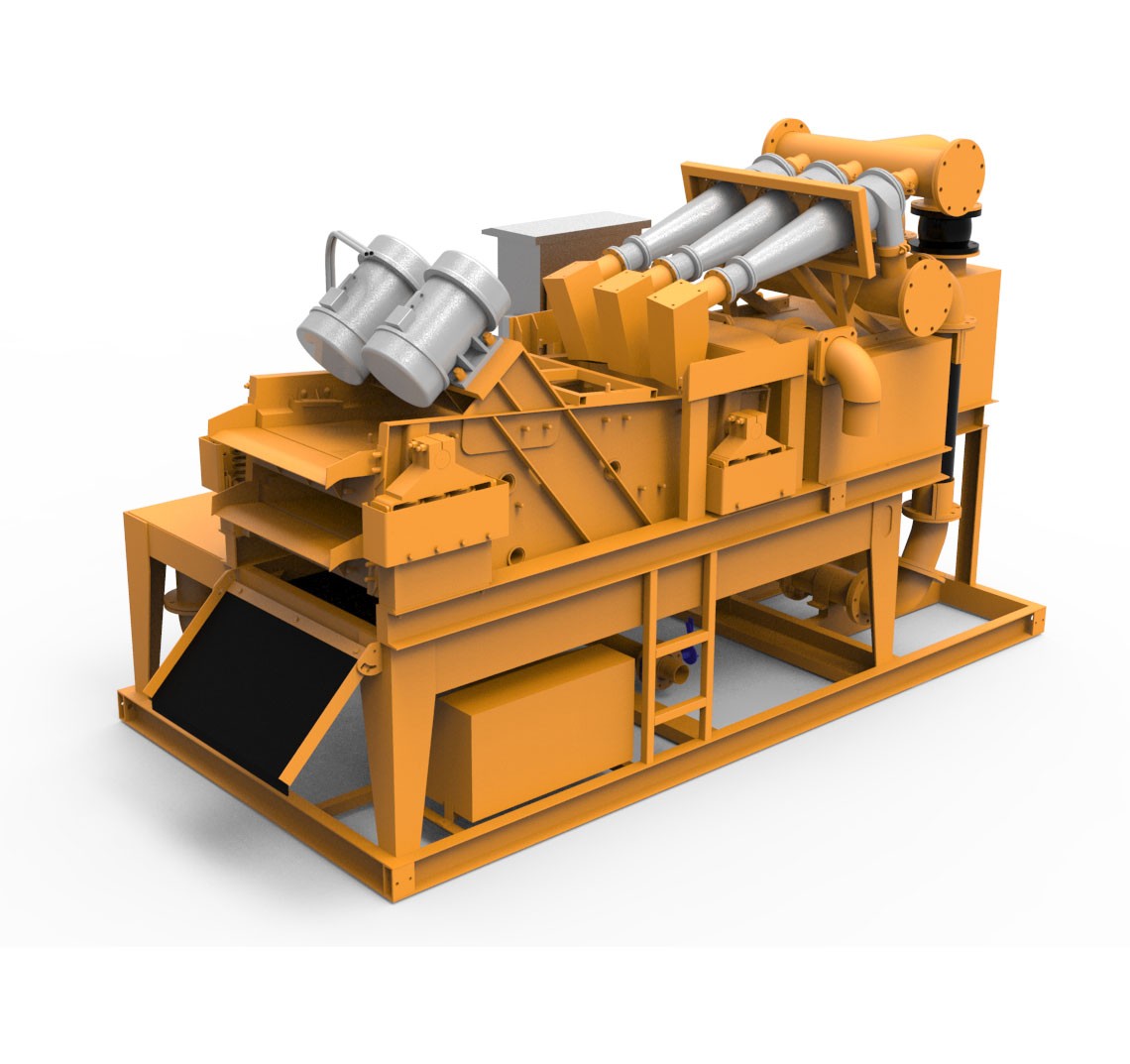
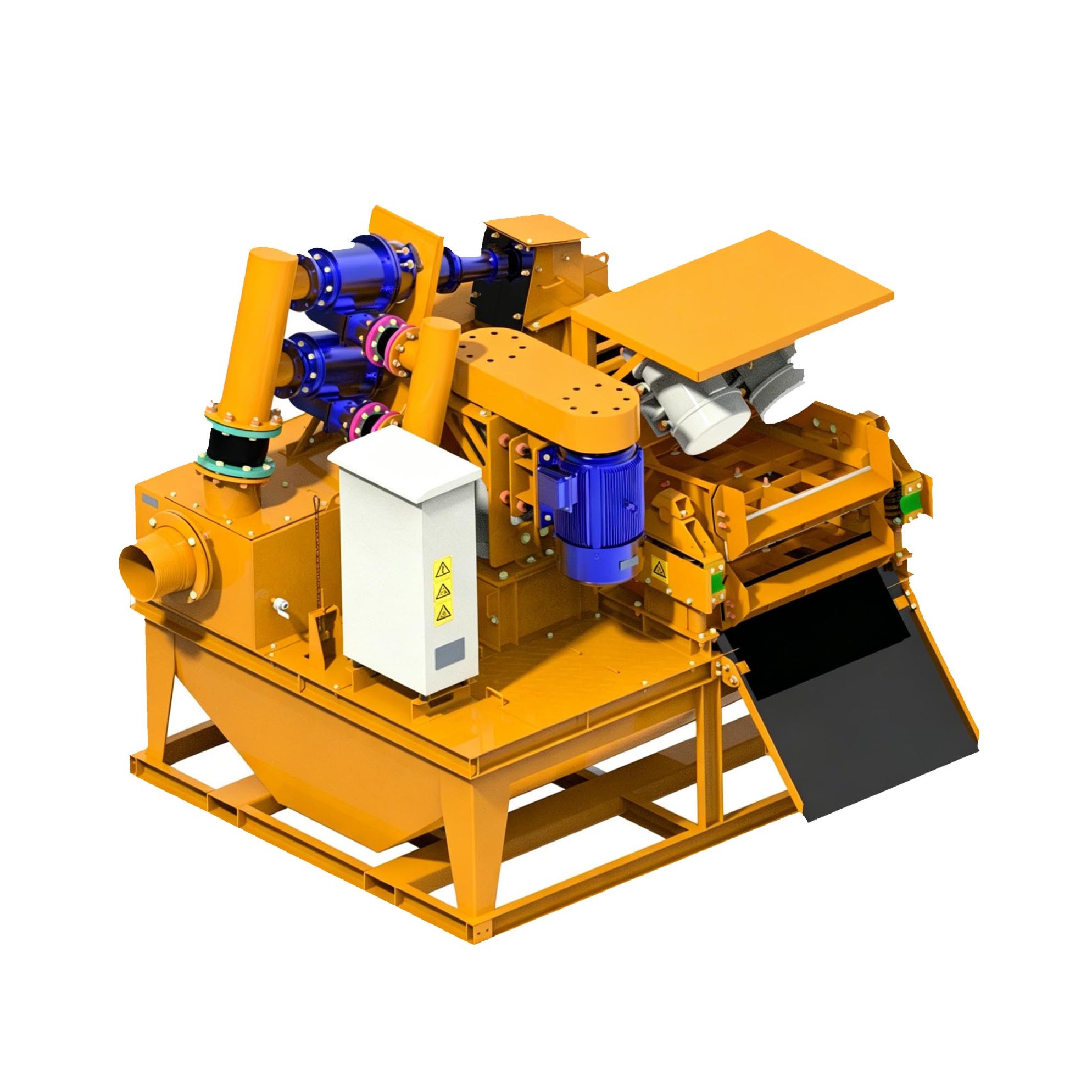
2.2 Slurry Desander
The slurry desander is a key piece of equipment for removing sand and suspended solids from drilling slurry.
A typical slurry desander consists of:
· Feeding pump
· Vibrating screen
· Hydrocyclone
· Sand discharge system
· Slurry tank
· Control system
The hydrocyclone separates sand and other solid particles using centrifugal force. The separated solids are discharged from the bottom of the cyclone, while the treated slurry flows through the overflow outlet.
For rotary drilling rig slurry treatment, a properly sized slurry desander can provide efficient sand removal and stable slurry recycling.
2.3 Slurry Pump
Slurry pumps transfer drilling slurry between the drilling operation, treatment equipment, and storage tanks.
The pump should be selected according to slurry density, solid content, flow rate, pressure requirements, and pipeline configuration.
2.4 Centrifuge
A centrifuge is normally used for fine-solid separation.
Compared with conventional settling methods, centrifugal separation can achieve more efficient removal of fine particles and is suitable for projects requiring higher slurry treatment performance.
2.5 Chemical Dosing System
Chemical dosing systems are used to accurately inject coagulants and flocculants into the slurry.
By controlling chemical dosage, particle aggregation can be improved and subsequent solid-liquid separation can become more efficient.
3. Slurry Treatment Process for Piling
The typical piling slurry treatment process includes slurry collection, coarse solids separation, desanding, fine solids separation, and slurry recycling.
A typical process can be summarized as:
Drilling → Slurry Collection → Coarse Solids Separation → Desanding → Fine Solids Separation → Slurry Recycling
3.1 Slurry Collection
During rotary drilling or bored pile construction, drilling slurry carries soil particles and other solids away from the borehole.
The contaminated slurry is collected through slurry pipelines and transferred to the slurry treatment plant or slurry recycling system.
3.2 Primary Solid Separation
The collected drilling slurry first passes through coarse screening or sedimentation.
Large particles and debris are removed during this stage to protect downstream treatment equipment.
3.3 Desanding Treatment
After primary separation, the slurry enters the slurry desander.
The hydrocyclone separates sand and other relatively fine solid particles from the drilling slurry. The separated solids are discharged, while the treated slurry continues to the next stage.
This process is particularly important for rotary drilling slurry treatment, where controlling sand content can help maintain stable drilling performance.
3.4 Fine Solid Separation
If the project requires additional treatment, the slurry can be processed through a desilter, centrifuge, filter press, or other fine-solid separation equipment.
The purpose is to further reduce fine suspended solids and improve slurry quality.
3.5 Slurry Recycling
After treatment, the recovered slurry can be returned to the drilling operation when its properties meet the project requirements.
A well-designed slurry recycling system for piling can reduce the amount of new slurry required and decrease the volume of waste slurry requiring disposal.
4. Slurry Treatment for Different Foundation Projects
Different construction methods require different slurry treatment solutions.
4.1 Rotary Drilling
Rotary drilling slurry treatment is widely used in bored pile and foundation construction.
The treatment system normally focuses on removing sand, soil particles, and suspended solids while maintaining suitable slurry properties for drilling.
4.2 Bored Pile Construction
In bored pile construction, slurry is used to stabilize the borehole and control formation collapse.
An efficient bored pile slurry treatment system can continuously treat and recycle drilling slurry during construction.
4.3 Diaphragm Wall Construction
Diaphragm wall projects can generate significant volumes of slurry.
A high-capacity slurry treatment plant for diaphragm wall construction can separate excavated soil and solids from the slurry and allow the treated slurry to be reused.
4.4 Foundation Drilling
For general foundation drilling applications, a compact drilling slurry recycling system can be configured according to the drilling rig capacity and site conditions.
5. Evaluation of Slurry Treatment Performance
The performance of a slurry treatment system should be evaluated according to the requirements of the specific construction project. Important evaluation indicators include:
5.1 Solids Content
The solids content of treated slurry should be monitored to evaluate the efficiency of solid-liquid separation.
Lower unwanted solids content generally indicates more effective slurry treatment.
5.2 Sand Content
Sand content is an important parameter in many piling applications.
Effective slurry desanding equipment can reduce sand concentration and help maintain the required slurry properties.
5.3 Turbidity and Liquid Clarity
Turbidity and liquid clarity can be used to evaluate the concentration of suspended particles in the treated liquid.
5.4 Slurry Properties
Depending on the construction method, slurry properties such as density, viscosity, sand content, and filtration characteristics may need to be monitored.
Maintaining appropriate slurry properties is important for borehole stability and drilling performance.
5.5 Environmental Compliance
The final treatment results should comply with applicable local environmental regulations and project requirements.
Proper waste slurry management can reduce the volume of slurry requiring disposal and minimize the environmental impact of foundation construction.
6. Advantages of an Efficient Slurry Treatment System
A properly designed slurry treatment and recycling system can provide several benefits for piling contractors and foundation engineering companies.
· Reduced Slurry Disposal By separating solids from drilling slurry, the amount of waste slurry requiring transportation and disposal can be reduced.
· Improved Slurry Recycling Treated slurry can potentially be recycled into the drilling process when it meets the required slurry specifications.
· Reduced Operating Costs Effective recycling can reduce the consumption of fresh water, bentonite, and other slurry materials.
· Improved Drilling Efficiency Maintaining appropriate slurry properties can contribute to stable drilling conditions and improved construction efficiency.
· Better Environmental Management Mechanical slurry treatment helps reduce slurry discharge and supports more responsible management of drilling waste.
7. Conclusion
Slurry treatment technology for piling and foundation engineering plays an important role in modern construction. By combining screening, sedimentation, hydrocyclone desanding, filtration, centrifugal separation, and other treatment technologies, contractors can effectively separate solids from drilling slurry and improve slurry recycling efficiency.
A complete slurry treatment system should be designed according to the drilling method, soil conditions, slurry characteristics, construction capacity, and environmental requirements.
For rotary drilling, bored pile construction, diaphragm wall construction, and other foundation projects, the combination of a slurry desander, slurry recycling system, slurry pump, hydrocyclone, and fine-solid separation equipment can provide an efficient solution for drilling slurry management.
With the increasing demand for environmentally responsible construction, efficient drilling slurry treatment and recycling technology will continue to play an important role in improving construction efficiency, reducing waste disposal costs, and supporting sustainable foundation engineering.
8. Slurry Treatment Solutions for Piling Projects
Looking for an efficient slurry treatment system for piling and foundation engineering? Explore our Slurry Treatment System designed for rotary drilling, bored pile construction, and other foundation projects. Our solutions combine efficient solid-liquid separation, slurry desanding, and slurry recycling to help improve construction efficiency and reduce slurry disposal.
Learn more about our Slurry Treatment System →